Best DSLR for beginner/amateur photographers under 30K-35K INR.


DSLRs have always been a major choice of photography gear among several people. But all does not have such financial capability to purchase a high end DSLR, or are unaware of the several controls that a high-end DSLR have. So, they prefer a such a gear that is not only easy to operate but also is quite affordable, and also clicks good photos. So, here is the list of few DSLRs that doesn’t cost much of good fortune, and are also easy to operate. These are best for Amateur Photographers, as well as Beginners, who want to start learning photography.
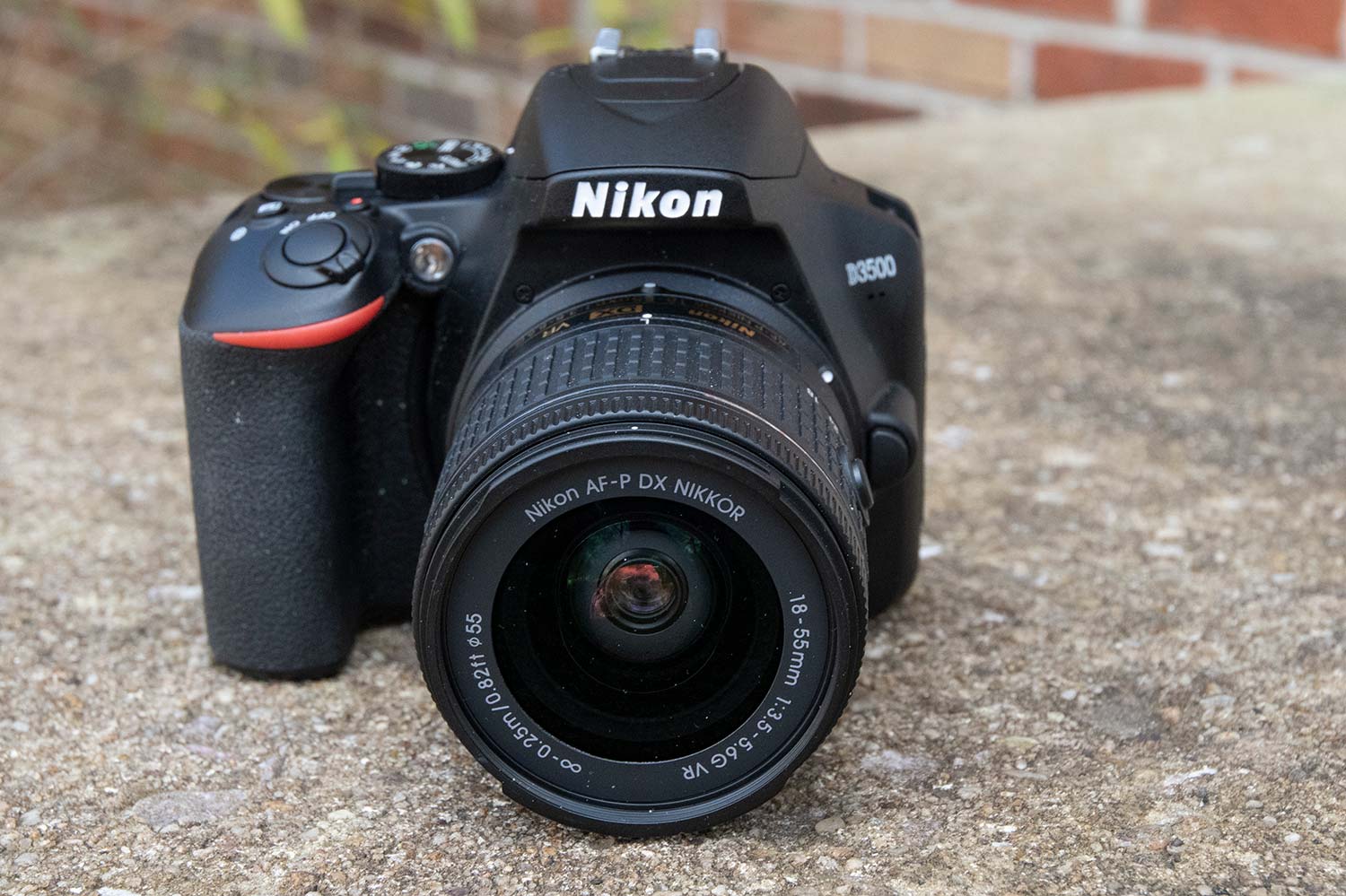
1) NIKON D3500: Highlights
·        Effective Pixels: 24.2 MP
·        Sensor Type: CMOS
·        1080p recording at 60p

Sensor Features

Sensor Type
·        CMOS
Image Sensor Size
·        23.5 x 15.6
ISO Rating
·        100 - 25,600
Other Sensor Features
·        Image Sensor Format: DX
·         

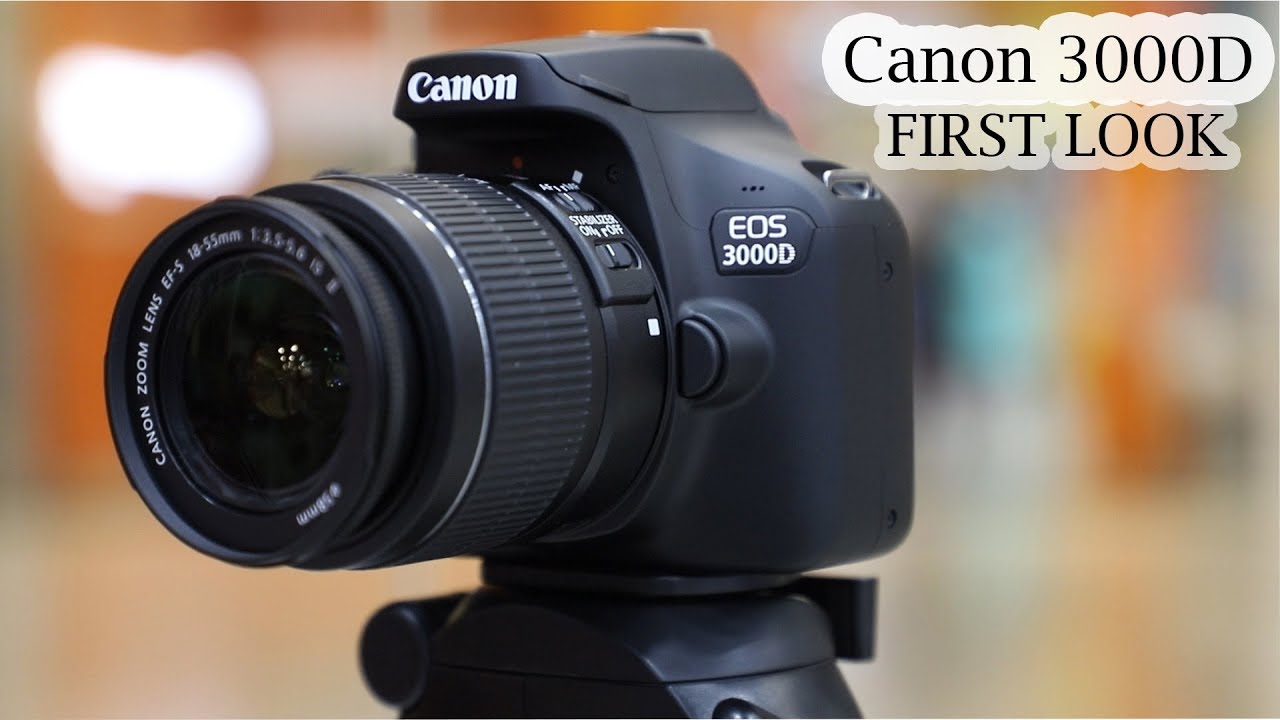
2)  CANON 3000D: Highlights
·        Self-Timer | Type C and Mini HDMI, |9 Auto Focus Points | 35x Optical Zoom., Effective Pixels: 18 MP APS-C CMOS sensor-which is 25 times larger than a typical Smartphone sensor., WiFi | Full HD | Video Recording at 1080 p on 30fps.
·        Effective Pixels: 18 MP
·        Sensor Type: CMOS
·        WiFi Available
·        Full HD
Sensor Features
Sensor Type
·        CMOS
Image Sensor Size

·        22.3 x 14.9mm


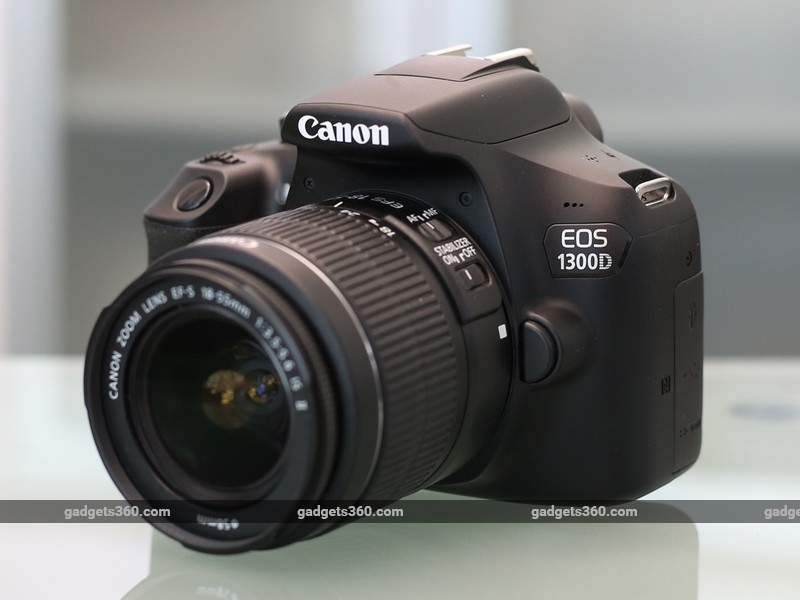
3) CANON 1300D: Highlights
·        Wi Fi and NFC supported, 9 point AF with 1 centre cross type AF point, 18 megapixel APS-C CMOS sensor & DIGIC 4+
·        Effective Pixels: 18 MP
·        Sensor Type: CMOS
·        WiFi Available
·        1080p recording at 30p
Sensor Features
Sensor Type
·        CMOS
Image Sensor Size
·        23.2 x 15.4 mm
ISO Rating
·        100 - 6400 (Max up to 12800)


4) Fujifilm X Series X-T100 Mirrorless Camera:
                    Highlights
·        Effective Pixels: 24.2 MP
·        Sensor Type: CMOS
·        WiFi Available
·        4K
Sensor Type
·        CMOS
Image Sensor Size
·        23.5 x 15.7
ISO Rating
·        Auto, 200 - 12800 (Expands to 100 - 51200)


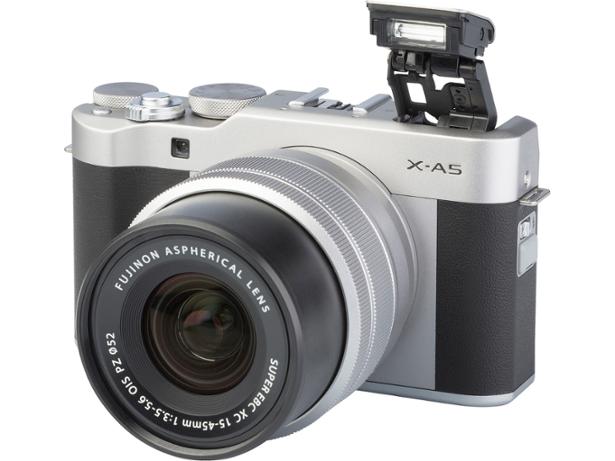
5) Fujifilm X Series X-A5 Mirrorless Camera:
                    Highlights
·        Effective Pixels: 24.2 MP
·        Sensor Type: CMOS
·        WiFi Available
·        4K
Sensor Type
·        CMOS
Image Sensor Size
·        23.5 x 15.7
ISO Rating
·        Auto, 200 - 12800


OUT OF THESE, IF YOU ASK ME, THE BEST CHOICE IN THIS BUDGET IS NIKON D3500, BECAUSE IT IS LIGHT WEIGHT, COMPACT, WITH WIDE ISO RANGE, AND BIG BATTERY THAT CAN CLICK UP TO 1500 SHOTS PER CHARGE. BUT IT HAVE SOME CONS WHICH INCLUDE THE ABSENCE OF MICROPHONE JACK, AND THE NON FLIP-ABLE DISPLAY.

Comments

Popular posts from this blog

Understanding the basics of EXPOSURE

A camera is basically a glorified box—one with a hole punched in one side of it,  containing some sort of light-sensitive medium, be it film or a digital sensor.  Letting light through the hole allows you to “take a picture”—leaving an image  on the light-sensitive medium inside.  Not just any light will do. A shortage of light results in underexposure and a  photo with details lost to darkness. An excess of light makes a desired image  appear washed out from overexposure. The right exposure will result in a  detailed image with a good balance of highlights, shadows, and midtones.  Exposure is ultimately determined by aperture (hole size), shutter speed (how  long the hole is open), and ISO (sensor sensitivity). In general, think of exposure  as a triangle: In order to maintain the same exposure, every bump or cutback in  one element will require a decrease or an increase in one or both of the others. Like many settings, you c...

Few basic terms used in photography

In the journey through the path of photography and cameras, you will come to face few terms that will turn out to be a big barrier if you do not know about them. So, here I am to introduce you to these few terms. 1. Focal length Have you ever wondered what the number mentioned in 'mm' on your lens actually means? Well that is the focal length range of your camera lens. But what exactly is focal length and how is it calculated? Focal length is the distance between the camera sensor and the point where light rays converge inside the lens, and this distance is measured in millimeters (mm). So when you are clicking photos at 50mm, the distance between the sensor and the point of convergence inside the lens is 50 millimeters. Similarly, if you move from 18mm to 55mm in your 18-55mm kit lens, the distance between the two changes to 55mm. 2. Depth of field Depth of field is the area that appears acceptably sharp, ahead and behind the point where you set the foc...